From Aretha Franklin’s “Respect” to the sound of neo-soul
A voice rises, backing singers answer, and the horns punch through. Soul music took shape in African American communities in the United States in the late 1950s. It gave voice to the struggle for civil rights.
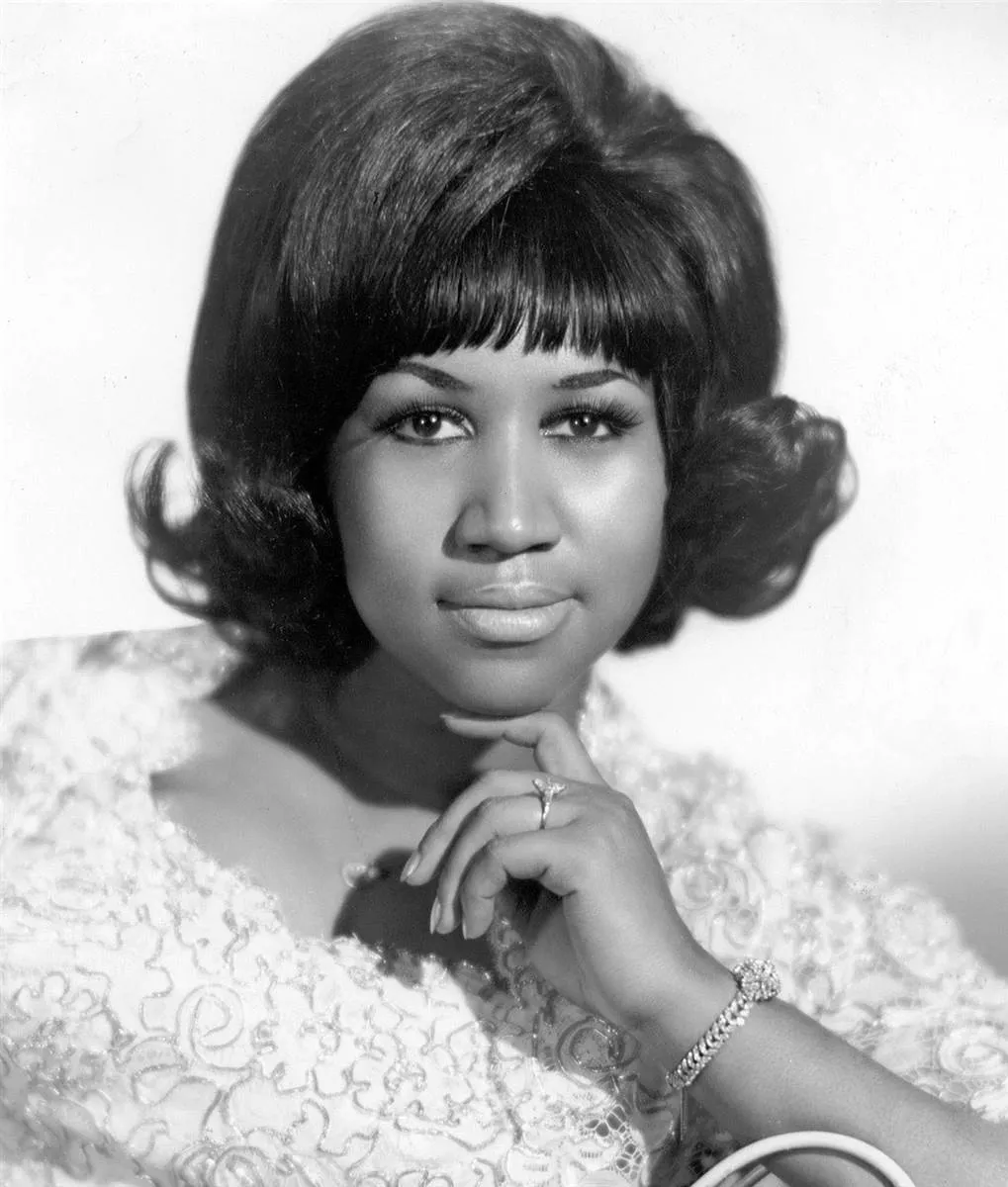
Aretha Franklin in 1968. Atlantic Records publicity photo, Wikimedia Commons, public domain.
OriginsAfrican American communities in the United States in the late 1950s and early 1960s.
The soundAn urgent lead vocal, backing singers who answer, horns, and hands clapping out the beat.
The labelsMotown in Detroit, Stax in Memphis, and Atlantic in New York.
The songAretha Franklin’s “Respect” reached number one in the United States in 1967.
01
Start here
If you’re new to soul, start with “Respect.” Otis Redding wrote it in 1965. Aretha Franklin recorded her version on February 14, 1967, at Atlantic’s New York studios, with her sisters Carolyn and Erma on backing vocals. Spelling out the chorus letter by letter was Carolyn’s idea.
“Respect,” Aretha Franklin, 1967, posted on her official channel.
02
The birth of soul music
Soul took shape in African American communities in the United States in the late 1950s and early 1960s. It blends rhythm and blues and jazz with the vocal fervor of gospel in Black churches.
African American musicians already used the word “soul” to express what it felt like to be Black in the United States. The phrase “soul music” appeared in print in 1961.
Ray Charles helped pave the way. In November 1954, he recorded “I Got a Woman” in Atlanta with trumpeter Renald Richard. The record reached number one in rhythm and blues sales in January 1955.
You can hear what makes it soul right away. Hands clap out the beat, the lead singer and backing singers trade lines, and the lead voice improvises with urgency.
03
The major labels and their sounds
Motown
Detroit, Michigan
Berry Gordy founded Tamla Records on January 12, 1959. It became Motown in 1960. The name comes from “Motor Town,” a nod to Detroit’s auto industry. The Black-run label also reached white audiences with a danceable, pop-leaning sound played by the Funk Brothers.
Stax
Memphis, Tennessee
Jim Stewart founded Satellite in 1957. His sister Estelle Axton later became his business partner. In 1961, the label became Stax, a name drawn from their surnames. Its house band, Booker T. & the M.G.’s, brought together two Black musicians and two white musicians. The sound was faster and sharper, and it stayed closer to soul’s roots.
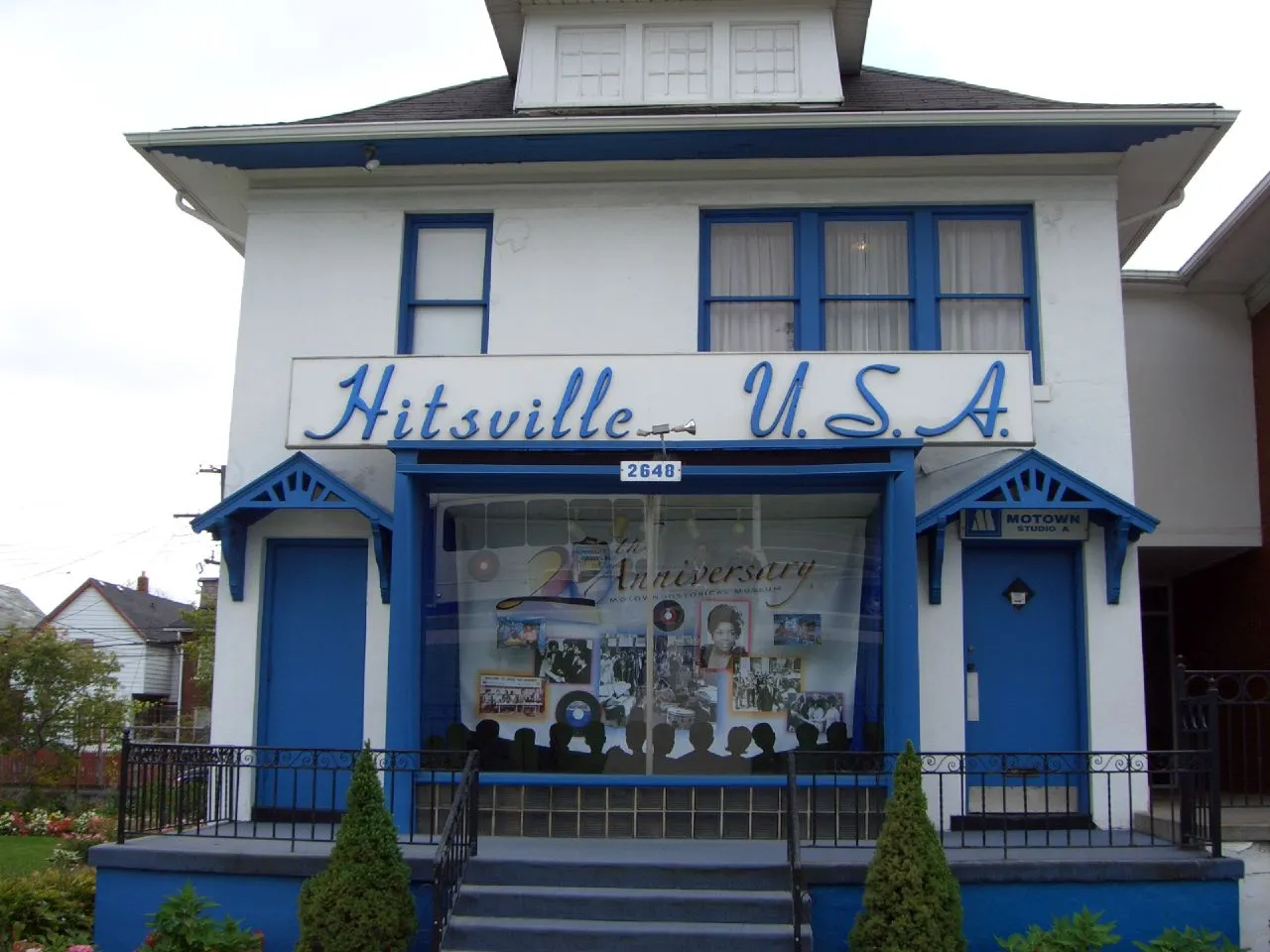
Hitsville U.S.A., Motown’s first Detroit headquarters, is now the Motown Museum. Photo by Global Reactions, Wikimedia Commons, licensed under CC BY 2.0.
Ahmet Ertegun and Herb Abramson founded Atlantic Records in New York in 1947. The label signed Ray Charles in 1952. Atlantic producer Jerry Wexler also recorded at FAME Studios in Muscle Shoals, Alabama. Atlantic distributed Stax in the 1960s and signed Aretha Franklin in 1966.
04
Soul and civil rights
In the 1960s, soul gave voice to African American pride and political awareness as the civil rights movement gathered momentum.
In October 1963, a whites-only motel in Shreveport, Louisiana, turned away Sam Cooke and his musicians. The experience helped inspire “A Change Is Gonna Come,” which he recorded in January 1964. The song became an anthem for the movement.
In 1964, Curtis Mayfield and the Impressions released “Keep On Pushing,” an anthem for Martin Luther King and the movement. Singer and pianist Nina Simone wrote “Mississippi Goddam” after the assassination of Medgar Evers and the bombing of a Birmingham church in 1963.
In August 1968, James Brown recorded “Say It Loud, I’m Black and I’m Proud” with about 30 young people from Watts and Compton in the Los Angeles area. Aretha Franklin’s “Respect” became a civil rights anthem and later a feminist anthem.
05
Soul in the 1970s
In the early 1970s, soul took in psychedelic rock and moved toward funk with James Brown.
1971
Marvin Gaye won the freedom from Motown to record the album he wanted. “What’s Going On” tackles the Vietnam War, racism, drugs, and the environment.
1971
In Philadelphia, Kenny Gamble and Leon Huff founded Philadelphia International Records. Sweeping strings and piercing horns shaped the Philadelphia soul sound you hear on “Love Train” by the O’Jays.
October 1971
“Soul Train,” the television show Don Cornelius created in Chicago, began airing across the United States.
1972
In Memphis, Al Green worked with producer Willie Mitchell at Hi Records and reached number one with “Let’s Stay Together.” Curtis Mayfield wrote the soundtrack to the film “Super Fly,” and it topped the album sales chart.
06
Voices to hear
Aretha Franklin
United States, Memphis and Detroit
Aretha Franklin was born in Memphis in 1942 and grew up in Detroit. She’s known as the Queen of Soul. In January 1967, she recorded “I Never Loved a Man (The Way I Love You)” at FAME Studios in Muscle Shoals. In 1987, she became the first woman inducted into the Rock and Roll Hall of Fame. She died in Detroit in 2018.
Listen to “I Never Loved a Man the Way I Love You” (1967), her first Atlantic album, and “Lady Soul” (1968).
Otis Redding was born in Dawson, Georgia, in 1941 and grew up in Macon. He recorded “These Arms of Mine” at Stax in 1962. In June 1967, he was the only soul artist at the Monterey festival. He died in a plane crash on December 10, 1967, at age 26. “(Sittin’ On) The Dock of the Bay” came out after his death and became his only number-one hit.
Listen to “Otis Blue: Otis Redding Sings Soul” (1965) and “Try a Little Tenderness” (1966).
Sam Cooke was born in Clarksdale, Mississippi, and grew up in Chicago. “You Send Me” reached number one in December 1957. He founded his own label, SAR Records, and set up his own publishing and management company. He was killed in Los Angeles in December 1964.
Listen to “Ain’t That Good News” (1964), the album featuring “A Change Is Gonna Come,” and “Bring It On Home to Me.”
Marvin Gaye was born in Washington, DC, in 1939 and signed with Motown in 1960. He’s known as the Prince of Motown. “I Heard It Through the Grapevine” reached number one in 1968. “Sexual Healing” earned him his first two Grammy Awards in 1983. He died in Los Angeles in 1984.
Listen to “What’s Going On” (1971) and “Let’s Get It On” (1973).
In the second half of the 1990s, a new generation reworked soul for the hip-hop era, combining live instrumentation with the rhythms and production of the day. Producer Kedar Massenburg gave it the name neo-soul. According to critic Miles Marshall Lewis, it owes much to the 1970s soul of Marvin Gaye and Stevie Wonder.
You can hear it on four records from the 1990s. Start with D’Angelo’s “Brown Sugar” (1995) and “Maxwell’s Urban Hang Suite” (1996). Then try Erykah Badu’s “Baduizm” (1997) and “The Miseducation of Lauryn Hill” (1998). D’Angelo returned in 2000 with “Voodoo.”
08
Explore further
You can visit two museums where soul records were made and keep listening with two albums from 1972.
Soul grew out of rhythm and blues and jazz in African American communities in the late 1950s. You’ll hear powerful lead vocals, answering backing singers, and often horns.
What’s the difference between soul and R&B?
Soul grew out of rhythm and blues. In the early 1960s, the record industry began calling some of that music “soul.” By the late 1980s, “contemporary R&B” referred to a distinct style that blended soul, funk, and electronic sounds.
Where does the word “soul” come from?
In English, “soul” can mean a person’s inner self. African American musicians used it to describe what it felt like to be Black in the United States. The phrase “soul music” is documented in print in 1961.
What did soul sound like in the 1970s?
Marvin Gaye’s “What’s Going On” brought social issues to the foreground. In Philadelphia, Gamble and Huff gave soul a fuller sound with strings. In Memphis, Al Green took it in a more sensual direction.
Which soul singers should I start with?
Start with the four singers featured above, Aretha Franklin, Otis Redding, Sam Cooke, and Marvin Gaye. Then try Curtis Mayfield, Nina Simone, James Brown, and Al Green.
Sources
Soul music, English Wikipedia (origins, meaning of the term, musical features, labels, civil rights, and the 1970s), and Soul music, French Wikipedia.