A nylon-string guitar, a near-whispered voice, and chords that seem to float. Bossa nova grew out of a softer way of playing samba in Rio de Janeiro in the late 1950s.
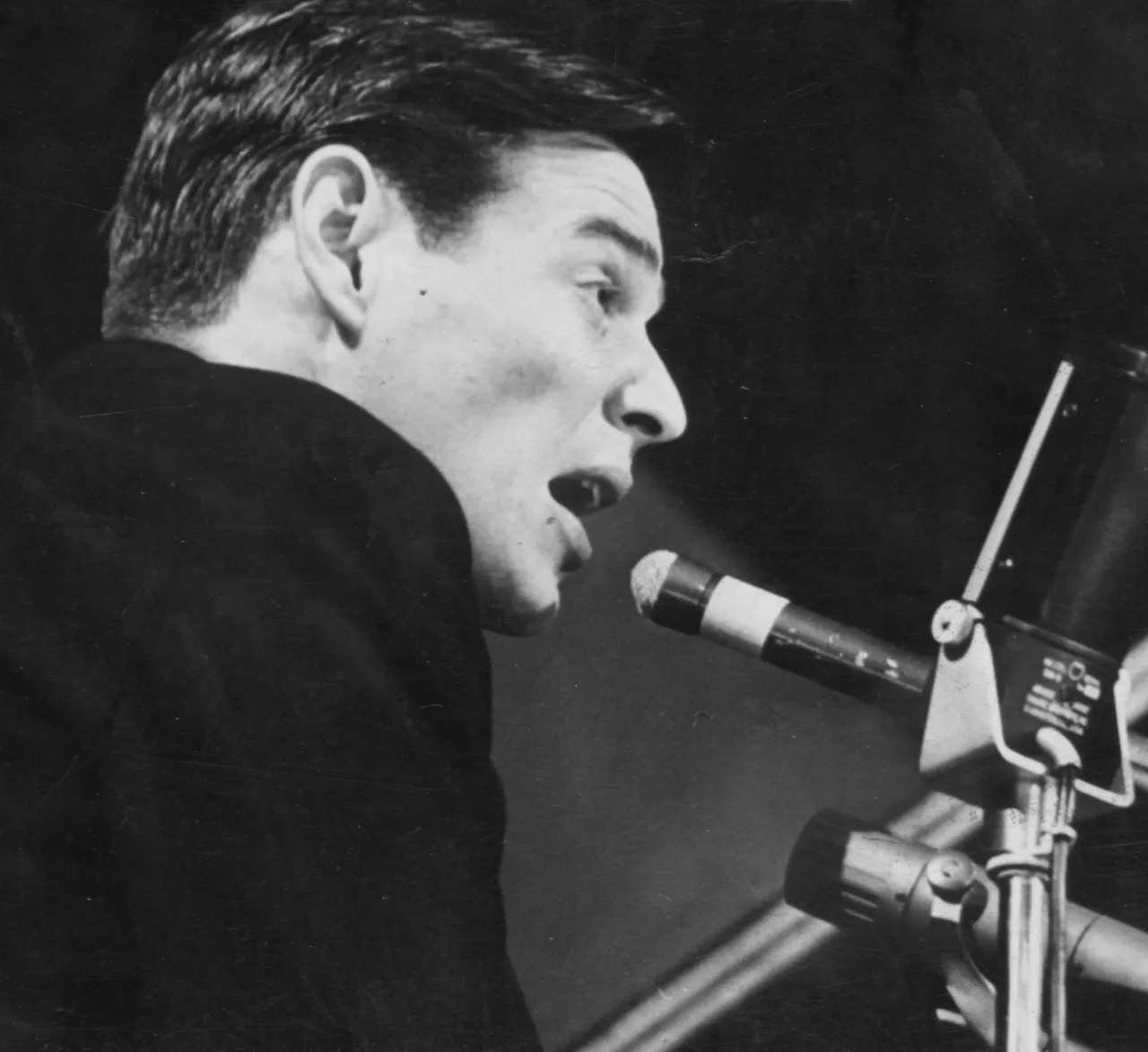
Tom Jobim in March 1965. Photo from the Correio da Manhã collection at Brazil’s National Archives, Wikimedia Commons, public domain.
OriginsRio de Janeiro’s South Zone in the late 1950s.
The name“New wave” or “new trend” in Brazilian Portuguese.
The soundA fingerpicked nylon-string classical guitar and a soft voice.
The album“Getz/Gilberto” won Album of the Year at the 1965 Grammy Awards.
01
Listen first
Four musicians play on the song that introduced bossa nova to the world. Astrud Gilberto sings in English, and Stan Getz answers on tenor saxophone. Tom Jobim plays piano and João Gilberto plays guitar. They recorded it in New York in March 1963.
“The Girl from Ipanema,” Stan Getz and Astrud Gilberto. Animated music video released by Verve Records in 2020.
02
A softer samba
Bossa nova began in Rio de Janeiro in the late 1950s. Young musicians from the city’s South Zone gathered at the apartment of Nara Leão, a music student known as the muse of bossa nova. The first public concerts took place in the clubs of Beco das Garrafas, an alley in Copacabana.
In older slang, “bossa” describes doing something with charm and natural flair. “Bossa nova” means “new wave” or “new trend.” According to Ruy Castro, journalist Moyses Fuks used the phrase publicly as early as 1957, for a concert.
Bossa nova carried on the samba tradition in a quieter, more intimate style. It found an audience in Rio’s middle class. American cool jazz and classical music also helped shape it.
João Gilberto, a singer and guitarist from Bahia, brought his own guitar rhythms and quiet singing. Tom Jobim wrote the harmonies, and poet and diplomat Vinicius de Moraes wrote the lyrics.
03
The sound and the guitar
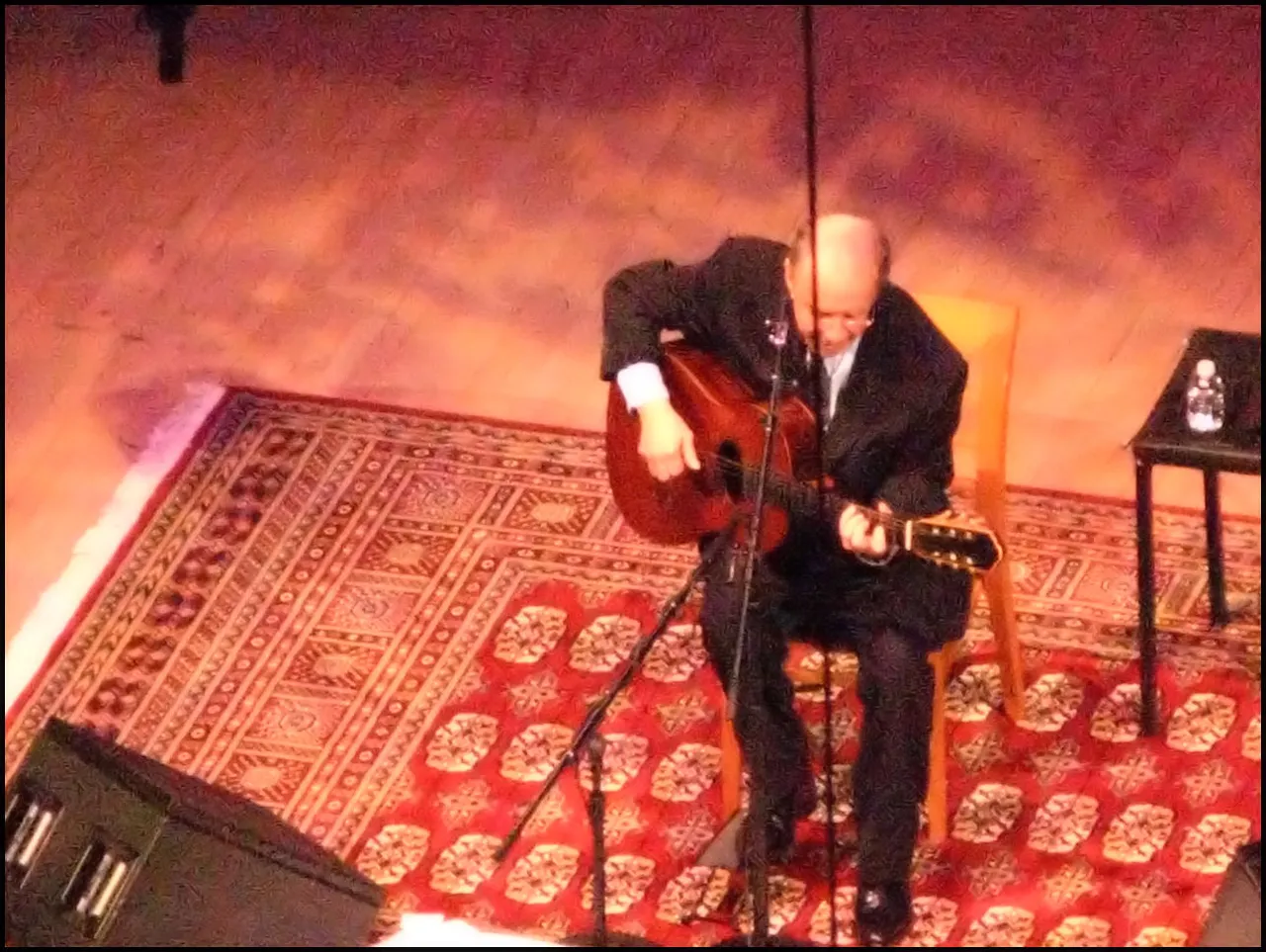
At the heart of bossa nova is a nylon-string classical guitar, played with the fingers. Listen to how João Gilberto brings the rhythms of a samba school’s percussion section onto one guitar. His thumb plays the bass notes, echoing the surdo, the big, deep drum you hear in parades. His other fingers pluck chords off the beat, like a tamborim, a small frame drum. This playing style is called the batida.
Over the guitar, the voice stays soft and intimate. Before João Gilberto, Brazilian singers projected their voices in a brassy, almost operatic style. In the studio he used separate microphones for voice and guitar, giving the two equal weight.
You’ll hear rich chords close to those in jazz. That resemblance has led to a common misconception about where bossa nova got its harmonies. The two styles developed in parallel. Many bossa nova songs went on to become jazz standards.
The lyrics are about love, women, nature, and saudade, the feeling of missing someone or something that Portuguese captures in a single word.
04
Key dates
1956
Tom Jobim and Vinicius de Moraes write the music for “Orfeu da Conceição,” a play that sets the myth of Orpheus during Carnival in Rio. The screen adaptation, “Orfeu Negro,” goes on to win the Oscar for foreign-language film.
1958
In May, singer Elizeth Cardoso releases “Canção do Amor Demais,” an album written largely by Jobim and Vinicius. João Gilberto plays guitar on “Chega de Saudade.” In July, his own version comes out as a single and becomes a hit.
1959
In March, João Gilberto releases his debut album, “Chega de Saudade,” which also includes “Desafinado.” The album is widely seen as marking the birth of bossa nova.
1962
Stan Getz and guitarist Charlie Byrd release “Jazz Samba,” sparking the bossa nova wave in the United States. On November 21, the Brazilian consulate general presents bossa nova at Carnegie Hall in New York.
1964 and 1965
Verve releases “Getz/Gilberto” in March 1964. At the 1965 Grammy Awards, it wins Album of the Year, and “The Girl from Ipanema” wins Record of the Year.
1974
Elis Regina and Tom Jobim record “Elis & Tom” in Los Angeles. By then, a new generation in Brazil has taken the lead after the 1964 coup with MPB, short for música popular brasileira.
05
Landmark songs
“Chega de Saudade”
Tom Jobim and Vinicius de Moraes
It’s often considered the first bossa nova song ever recorded. The title means roughly “enough of this longing.” The song starts in a minor key and ends in a major key. João Gilberto’s version entered the Grammy Hall of Fame in 2000.
“Garota de Ipanema”
Tom Jobim and Vinicius de Moraes, 1962
The song was inspired by Helô Pinheiro, a 17-year-old who used to walk past the Veloso bar in Ipanema. With English lyrics by Norman Gimbel, it became “The Girl from Ipanema” and traveled around the world.
Other Tom Jobim songs became classics, including “Desafinado,” “Corcovado,” “Wave,” and “Águas de Março.”
06
Voices to listen to
João Gilberto
Bahia, Brazil
João Gilberto was born in Juazeiro, in the state of Bahia, in 1931 and died in Rio in 2019. Outside Brazil, he’s known as the father of bossa nova. A voice and a guitar were all he needed. His album “João Voz e Violão” won the world music album Grammy in 2001.
What to listen to “Chega de Saudade” (1959), “Getz/Gilberto” with Stan Getz (1964), and “Amoroso” (1977).
Antônio Carlos Jobim was born in Rio in 1927 and died in New York in 1994. He played piano, guitar, and flute. He wrote the music for “Chega de Saudade,” “Garota de Ipanema,” and “Águas de Março.” Rio’s international airport has carried his name since 1999.
What to listen to “Wave” (1967), “Francis Albert Sinatra & Antônio Carlos Jobim” (1967), and “Elis & Tom” with Elis Regina (1974).
Astrud Gilberto was born in Salvador in 1940 and died in Philadelphia in 2023. She made her stage debut in Rio in 1960 alongside João Gilberto. In 1963, she recorded “The Girl from Ipanema” in English and moved to the United States. The song went on to become a worldwide hit.
What to listen to “Getz/Gilberto” (1964) and “The Astrud Gilberto Album,” her solo debut (Verve, 1965).
Elis Regina was born in Porto Alegre in 1945 and died in São Paulo in 1982. Her nickname was Pimentinha, meaning “little chili pepper.” She sang bossa nova and then MPB, whose beginnings are marked by her 1965 recording of “Arrastão.”
What to listen to “Elis & Tom” (1974), which opens with “Águas de Março,” and “Dois na Bossa,” recorded live with Jair Rodrigues (1965).
In older Brazilian Portuguese slang, “bossa” describes doing something with charm and natural flair. “Bossa nova” translates as “new wave” or “new trend.”
How does bossa nova differ from samba?
Bossa nova grew out of samba. It keeps the rhythm and brings it onto a single guitar. Samba schools play that rhythm with a full percussion section.
Who invented bossa nova?
Three names come up often. Listen for João Gilberto’s guitar and singing, Tom Jobim’s compositions, and lyrics by Vinicius de Moraes.
Which bossa nova songs are widely known?
Start with “Garota de Ipanema,” “Chega de Saudade,” “Desafinado,” “Corcovado,” and “Águas de Março.”
What kind of guitar do you use to play bossa nova?
Use a nylon-string classical guitar and play with your fingers. Your thumb plays the bass notes, and your other fingers pluck the chords.
Sources
Bossa nova, English Wikipedia, and Bossa nova, French Wikipedia (origins, name, guitar, voice, Nara Leão, Beco das Garrafas, Carnegie Hall, and “Jazz Samba”). Surdo and Tamborim.