Bob Marley and the Wailers
Jamaica, reggaeThe official website, run by Bob Marley Music, links to his YouTube channel and streaming pages.
Listen for Official videos, including “Is This Love,” plus the studio albums and live recordings.
From the studio album Exodus to the hits on Legend
You might know the tune to “Three Little Birds” without knowing who those three birds were. Even Marley’s friends had different answers. Start with two records, Legend and Exodus, then hear how ten of his best-known songs came together.
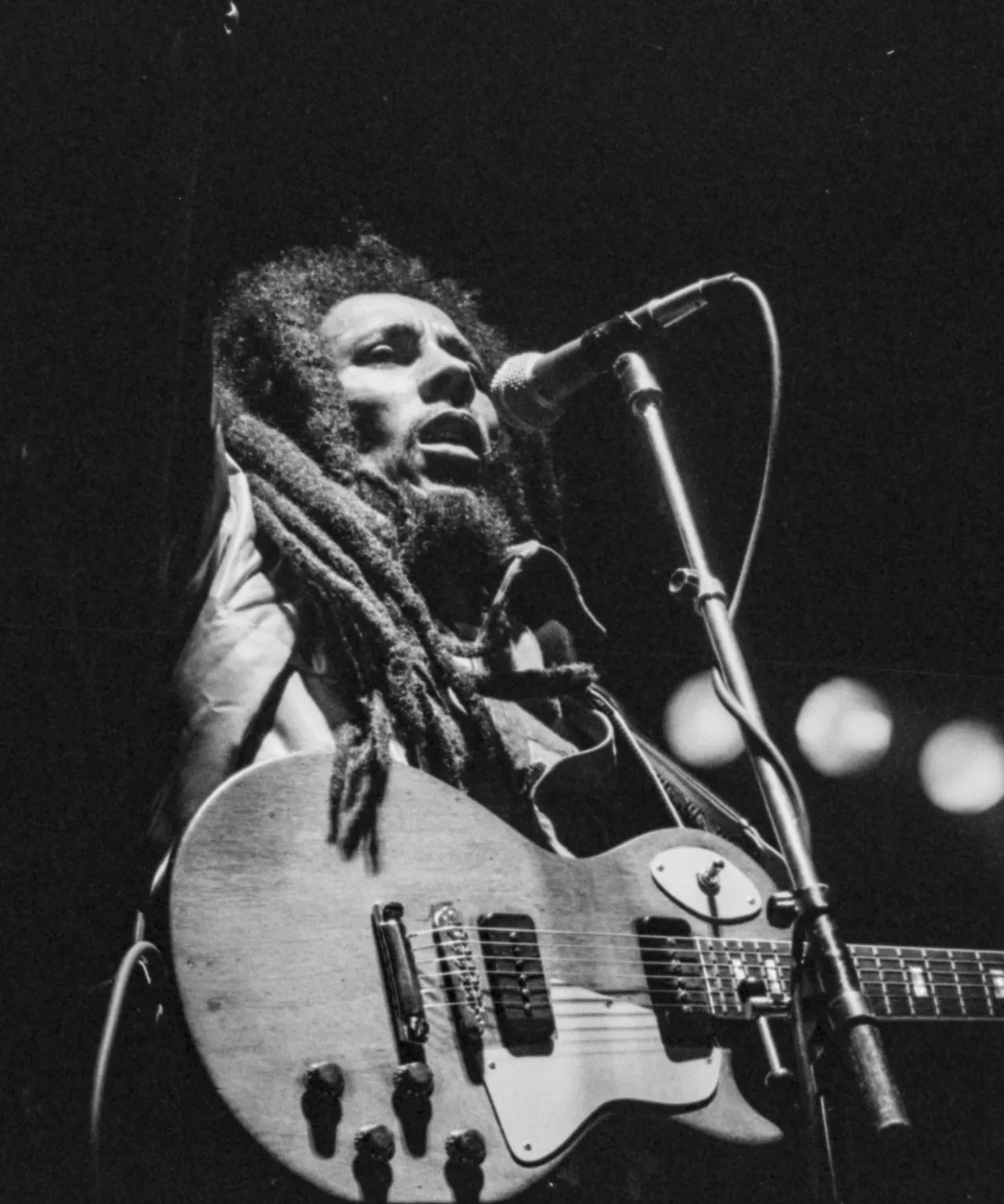
“Is This Love” opens Legend. The band shot the video in 1978 at the Keskidee, a cultural center in London. They staged a birthday party for the occasion. Look among the children in the background and you’ll see seven-year-old Naomi Campbell.
“Is This Love,” the official video by Bob Marley and the Wailers, on Marley’s official channel.
Marley grew up in Jamaica and formed the Wailers in 1963. He died of cancer in 1981, at 36. You can read his life story in our artist profile. Here, we’re listening to the songs.
Island Records released Legend in May 1984, three years after Marley died. The original collection gathered 14 songs recorded between 1972 and 1983, drawn from seven albums spanning Catch a Fire through Confrontation. Current editions have 16 tracks, adding “Easy Skanking” and “Punky Reggae Party.”
The original opens with “Is This Love” and closes with “Jamming.” In between, you’ll hear the live “No Woman, No Cry,” then songs including “Could You Be Loved,” “Three Little Birds,” “Buffalo Soldier,” “Get Up, Stand Up,” “Stir It Up” and “One Love.” There’s room for “I Shot the Sheriff,” “Waiting in Vain,” “Redemption Song,” “Satisfy My Soul” and “Exodus,” too.
Legend hit number one in the UK and peaked at number five in the US, Marley’s highest placing there. It was still appearing on the US album chart more than 40 years after its release. Guinness World Records lists it as the bestselling reggae album of all time. In December 2024, it was certified 18 times platinum in the US.
Exodus grew out of an upheaval in Marley’s life. After an attempt on his life in December 1976, he left Jamaica for London and stayed for 14 months. The band made much of the album there.
Marley survived an assassination attempt at his Kingston home. Two days later, he performed as planned at the Smile Jamaica concert.
After starting work in Kingston, the band finished recording at Island Studios in London.
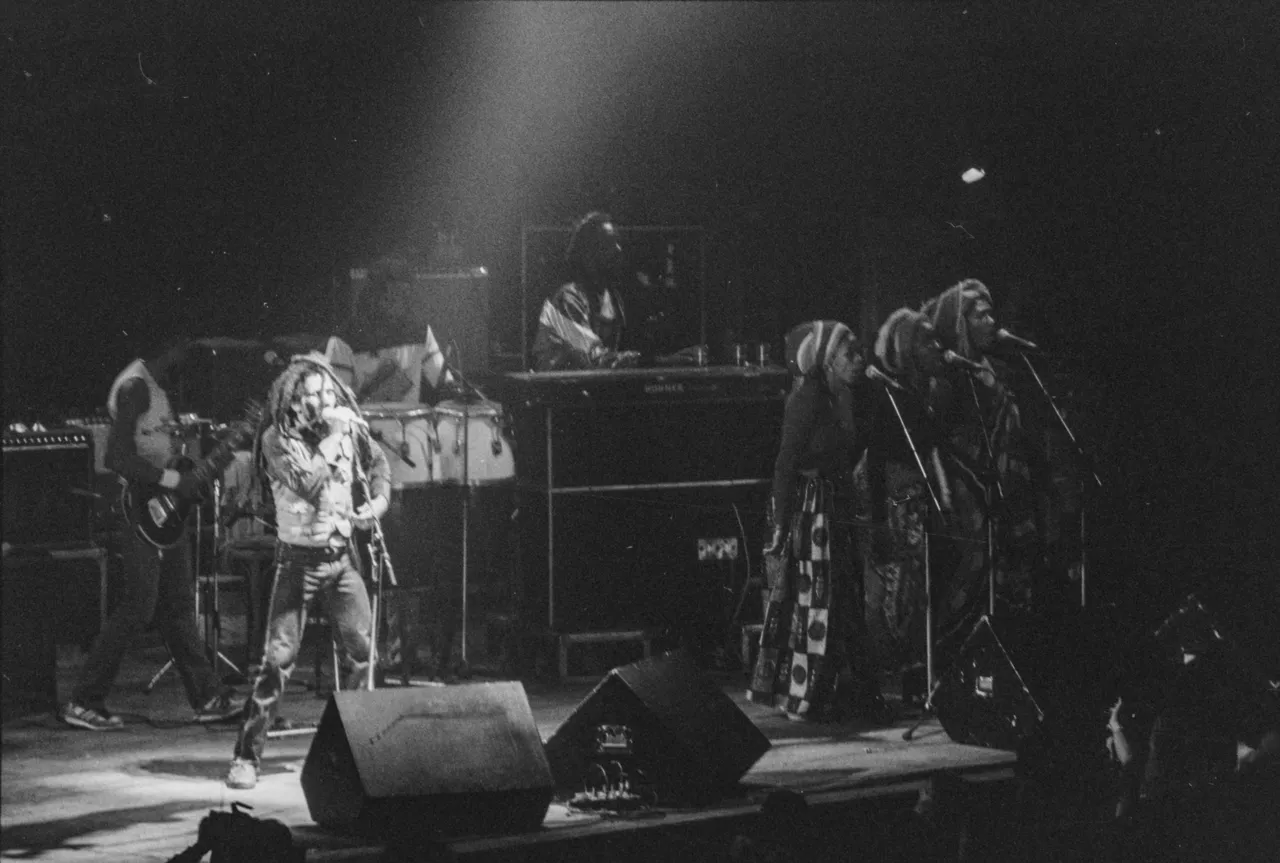
Island Records released Exodus. In London, the band played the Rainbow Theatre from June 1st to June 4.
Time named Exodus the best album of the 20th century.
Ten tracks, two sides. Side one opens with “Natural Mystic.” Listen to “Guiltiness” and you can hear a warning to the gunmen who came to Marley’s house. The title track takes more than seven minutes to unfold its vision of a people on the move toward freedom. On side two the mood lifts, with “Jamming,” “Waiting in Vain,” “Three Little Birds” and, at the close, “One Love.” In Jamaican patois, jamming means getting together and celebrating. Stevie Wonder picked up on it in his tribute “Master Blaster (Jammin’).”
In release order, with the albums where you’ll find them.
The Wailers first recorded “One Love” as a ska track for their debut album in 1965. Marley returned to it in 1977, weaving in Curtis Mayfield’s “People Get Ready.” In 2009, it topped a list of 100 Jamaican songs presented at the University of the West Indies.
Marley wrote it in 1967. American singer Johnny Nash brought it to a wider audience in 1972. The Wailers recorded their own version the following year for Catch a Fire.
Marley wrote this protest song with Peter Tosh. According to Esther Anderson, his partner at the time, Marley worked on it while touring Haiti. It was the last song he ever performed onstage, in Pittsburgh on September 23, 1980.
A man admits he shot the sheriff. Marley said he wanted to sing about the police. Calling the character a sheriff kept the same idea at its heart: justice. Eric Clapton’s cover reached number one in the US in 1974.
The title is an appeal to a woman: don’t cry. The song looks back on the yards of Trenchtown in Kingston, where Marley grew up. His friend Vincent Ford, who ran a soup kitchen, is credited as its writer. The best-known version was recorded live at London’s Lyceum in July 1975.
Three birds and a reassuring chorus. Where did the image come from? A friend remembered birds perched on Marley’s windowsill on Hope Road. His three backing singers, the I Threes, said it was his nickname for them.
A plainspoken declaration of love. Released as a single in February 1978, it reached number nine in the UK. Six years later, it became the opening song on Legend.
The song took shape on a plane in 1979, while the band tried out ideas on guitar. Its reggae rhythm edges toward disco. It reached number five in the UK in 1980.
Just Marley and an acoustic guitar. The final track on the last album released in his lifetime calls for freedom from mental slavery, drawing on a speech Marcus Garvey gave in Canada in 1937.
Written with King Sporty, the song tells the story of the Buffalo Soldiers, the Black cavalry regiments of the US Army after 1866. Marley made a demo no earlier than 1978. The track came out in 1983, after his death.
The official website, run by Bob Marley Music, links to his YouTube channel and streaming pages.
Listen for Official videos, including “Is This Love,” plus the studio albums and live recordings.
The hits, collected on the current 16-track edition.
Listen for “Is This Love,” “No Woman, No Cry” (live), “Could You Be Loved,” “Redemption Song.”
The London album, with its original ten tracks.
Listen for “Natural Mystic,” “Exodus,” “Jamming,” “Three Little Birds.”
Go back to the records and the stories behind them.
Start with “One Love,” “No Woman, No Cry,” “Three Little Birds,” “Is This Love,” “Could You Be Loved,” “Redemption Song” and “Get Up, Stand Up.” They’re all on Legend.
Legend. Island Records released it in May 1984. The original edition had 14 tracks, and current editions have 16. Guinness World Records lists it as the bestselling reggae album ever.
Island Records released it on June 3, 1977. Marley finished it in London, where he had moved after the December 1976 attempt on his life.
The song is credited to Vincent Ford, a friend of Marley’s who ran a soup kitchen in Trenchtown. Marley is generally thought to have written at least the melody.
Uprising, released in 1980, was the last to come out in his lifetime. Confrontation followed in 1983, after his death, and features “Buffalo Soldier.”